World COPD Day: Free Resources to Understand COPD and Live Better
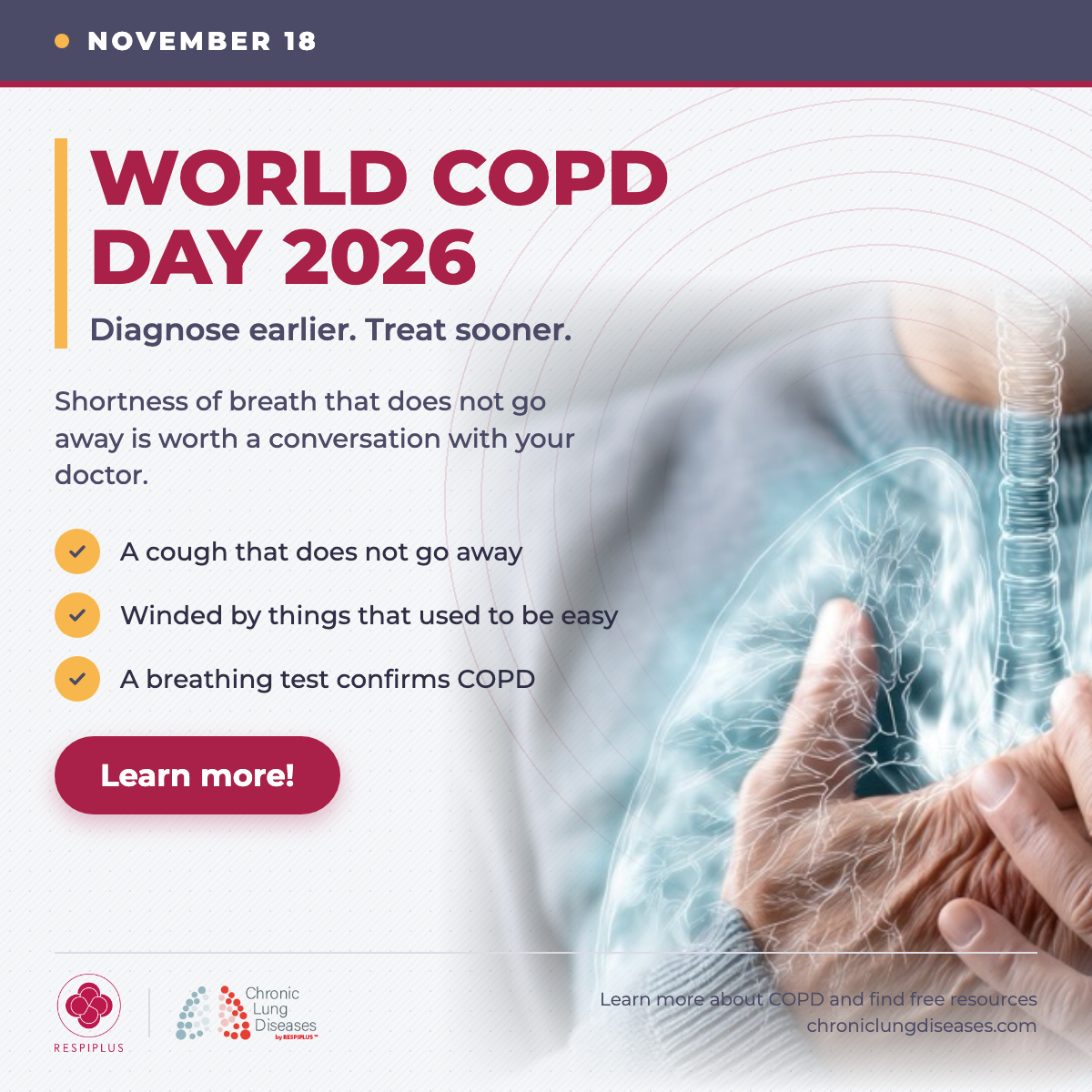
Every November, World COPD Day shines a light on a lung disease that millions of people live with, often without knowing it. Here you will find our free resources for people living with COPD and their families, starting with this year's webinar on a new era of treatment.
The Next Breath: a free webinar on COPD biologics
If you live with COPD (chronic obstructive pulmonary disease), you may have heard about biologics, a newer type of treatment given by injection. You may also have questions. Is it for me? Will I have to inject myself? Can I stop my inhalers?
In this webinar, a respirologist and a nurse practitioner answer the questions people with COPD ask most, in words that make sense. We will also be honest with you: most people with COPD will not need a biologic. That is why the webinar also covers what still helps, whatever your treatment.
- What happens in my lungs during a flare-up?
- How is a biologic different from an inhaler?
- Who may be able to get one?
- What results can I expect?
What starting a biologic looks like
Joanie Bernier walks you through each step in the webinar.
A first conversation with your care team
A blood test
Forms for drug coverage
Your first injection, and learning to do it yourself
Follow-up visits, and how to tell if it is working
- "Biologics are a kind of steroid."
- "If my blood test was normal once, I will never be eligible."
- "If I am on a biologic, I don't need pulmonary rehab."
- "Biologics work within a day or two."
- "People who have smoked can't get a biologic."
All five are myths. Dr. Bourbeau and Joanie explain why in the webinar.
Meet the speakers

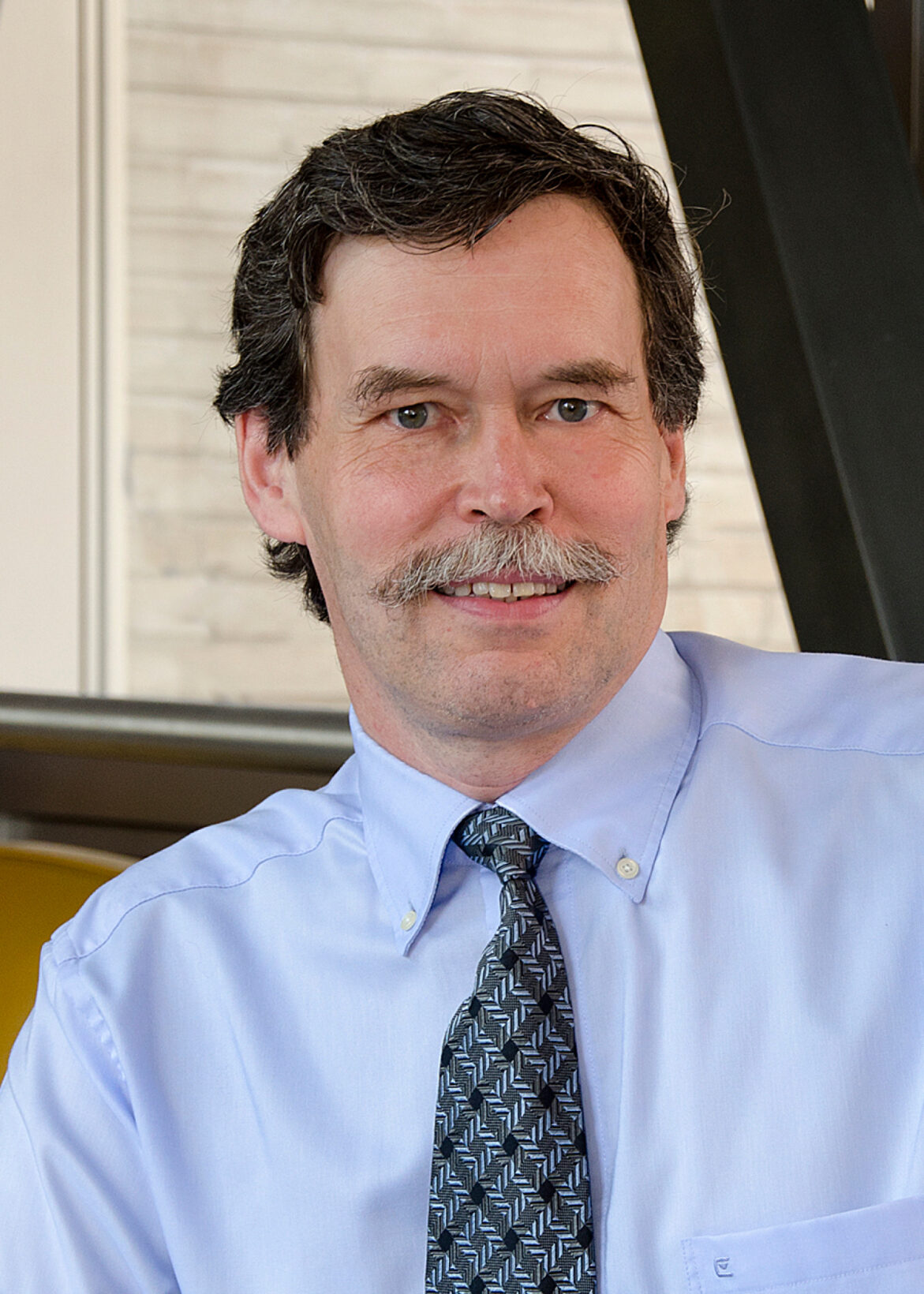
Dr. Jean Bourbeau
Respirologist and COPD researcher at the MUHC, where he directs the Research Institute's Center for Innovative Medicine, the COPD Clinic and the Pulmonary Rehabilitation Unit at the Montreal Chest Institute. Past President of the Canadian Thoracic Society and developer of the Living Well with COPD program.
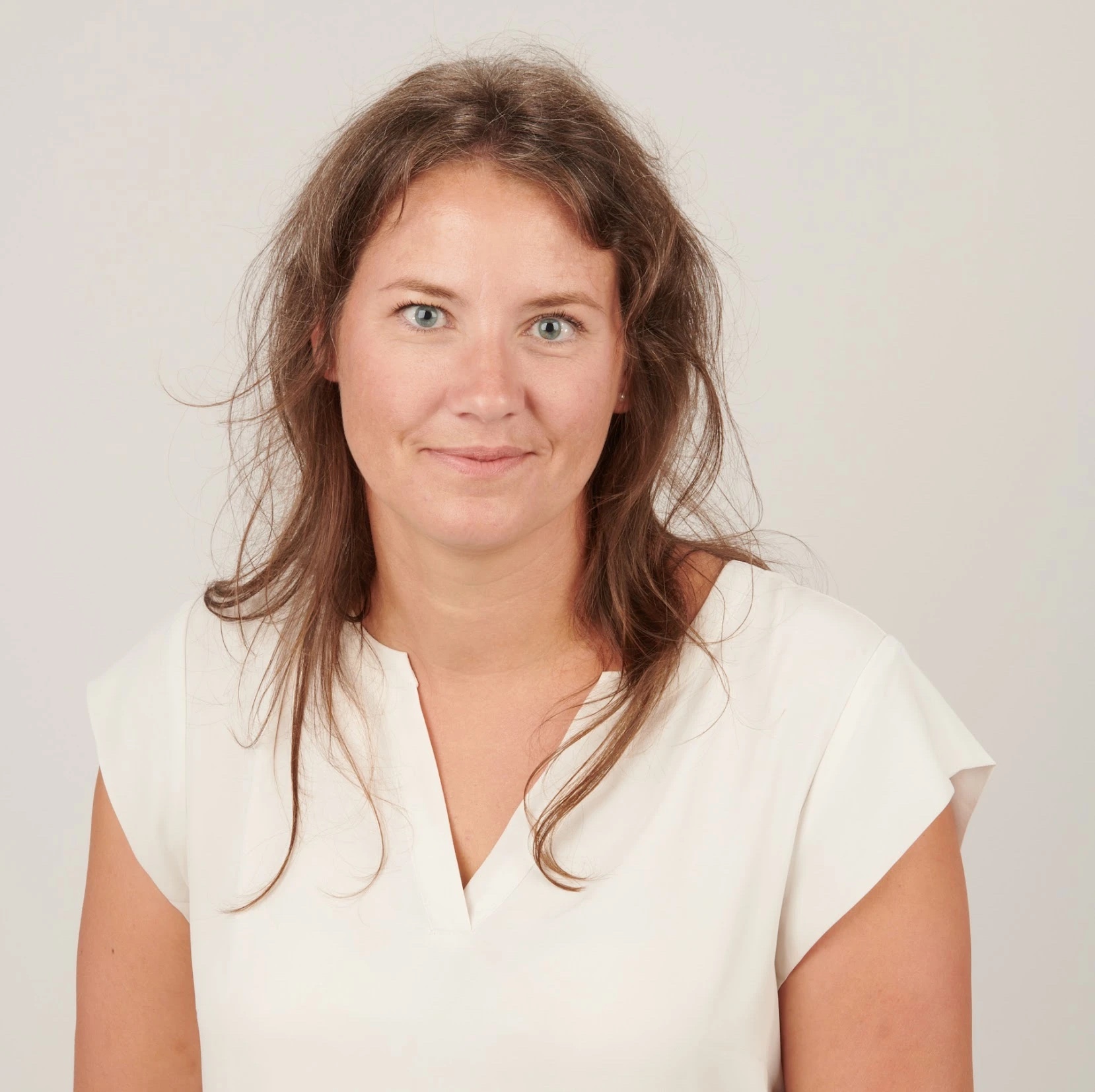
Joanie Bernier
Nurse practitioner in respiratory care at the McGill University Health Centre, where she works with Dr. Bourbeau. Graduate of Université Laval.
Leave knowing what to ask your care team
Watch it now, whenever it suits you. The webinar is hosted on eXpand, the RESPIPLUS education platform. We only ask for your name, your email and your preferred language.
Developed by RESPIPLUS with the support of an educational grant from Sanofi and Regeneron.
Everything about COPD, now in one place
World COPD Day is a good moment to start, or to start again. We have rebuilt our COPD guide, and the Living Well with COPD program now lives right here on our website.
COPD: your complete guide
What COPD is, the first signs, how it is diagnosed and treated, how to handle flare-ups, and how to live well every day. Clear answers, all in one place.
Read the COPD guideLiving Well with COPD
The self-management program developed with experts and patients: breathing, medication, staying active, managing stress and preventing flare-ups, one module at a time.
Start the programWorld COPD Day 2026: early diagnosis and management for a better life

World COPD Day is organized every November by the Global Initiative for Chronic Obstructive Lung Disease (GOLD). This year's message: COPD is common, preventable and treatable, but many people live with it for years before they are diagnosed. Finding it early, and treating it early, can ease symptoms and help prevent flare-ups.
- Get short of breath when you walk, climb stairs or do daily tasks
- Cough most days, or cough up mucus often
- Catch chest colds that last longer than other people's
- Smoke or used to smoke, or have breathed in dust, fumes or smoke at work or at home
Want to know more about the first signs and how COPD is diagnosed? Our complete guide to COPD explains it step by step. Some people with COPD also have a genetic condition called alpha-1 antitrypsin deficiency, and a simple test can find it: learn more in why people with COPD should be tested for alpha-1.
Explore our free COPD resources
Biologics are one piece of the puzzle. Whatever your treatment, an action plan, staying active and using your inhalers well remain the foundation of COPD care. Start wherever you need.

Season 8: COPD Biologics
Dr. Bourbeau talks with experts about the biologic era.
Listen to Season 8Medication and oxygen
Spreading the word together
RESPIPLUS builds education programs for people living with chronic lung disease and the health professionals who care for them. This World COPD Day, two patient and professional organizations are helping us share these resources with their communities:
- COPD Canada, a national patient network
- RQESR, Réseau québécois d'éducation en santé respiratoire
Frequently Asked Questions
When is World COPD Day?
World COPD Day is held every year in November and is organized by the Global Initiative for Chronic Obstructive Lung Disease (GOLD). In 2026 it falls on Wednesday, November 18, and the theme is "Early Diagnosis and Management for a Better Life."
What are biologics for COPD?
Biologics are medicines that target one specific part of the inflammation in the lungs. They are given by injection and are added to your inhalers, not used instead of them. They are not a cure, but for the right person they can help reduce flare-ups.
Can anyone with COPD get a biologic?
No. Most people with COPD will not need one. Biologics are mainly for people who keep having flare-ups even with their usual treatment, and who have a certain result on a blood test called an eosinophil count. Your care team can tell you if it is worth looking into.
How do I watch The Next Breath?
The Next Breath is a free webinar hosted on eXpand, the RESPIPLUS education platform. It has been available since November 17, 2026, and you can watch it whenever it suits you. You only need to give your name, your email and your preferred language.
Is the webinar available in French?
Yes. There is an English version and a French version, with the same experts and the same topics.
Where can I learn more about COPD?
Our complete guide to COPD explains what COPD is, its first signs, how it is diagnosed and treated, and how to live well with it. The Living Well with COPD program, now on our website, takes you further, one module at a time.
This content is intended for education and does not replace clinical judgement or individualized medical advice. Talk to your health care provider before making any change to your treatment.
The Next Breath
A free webinar on COPD biologics, in English and French. Watch it now.
Watch now